How parents can help children build a healthier relationship with food, appearance, and self-worth.
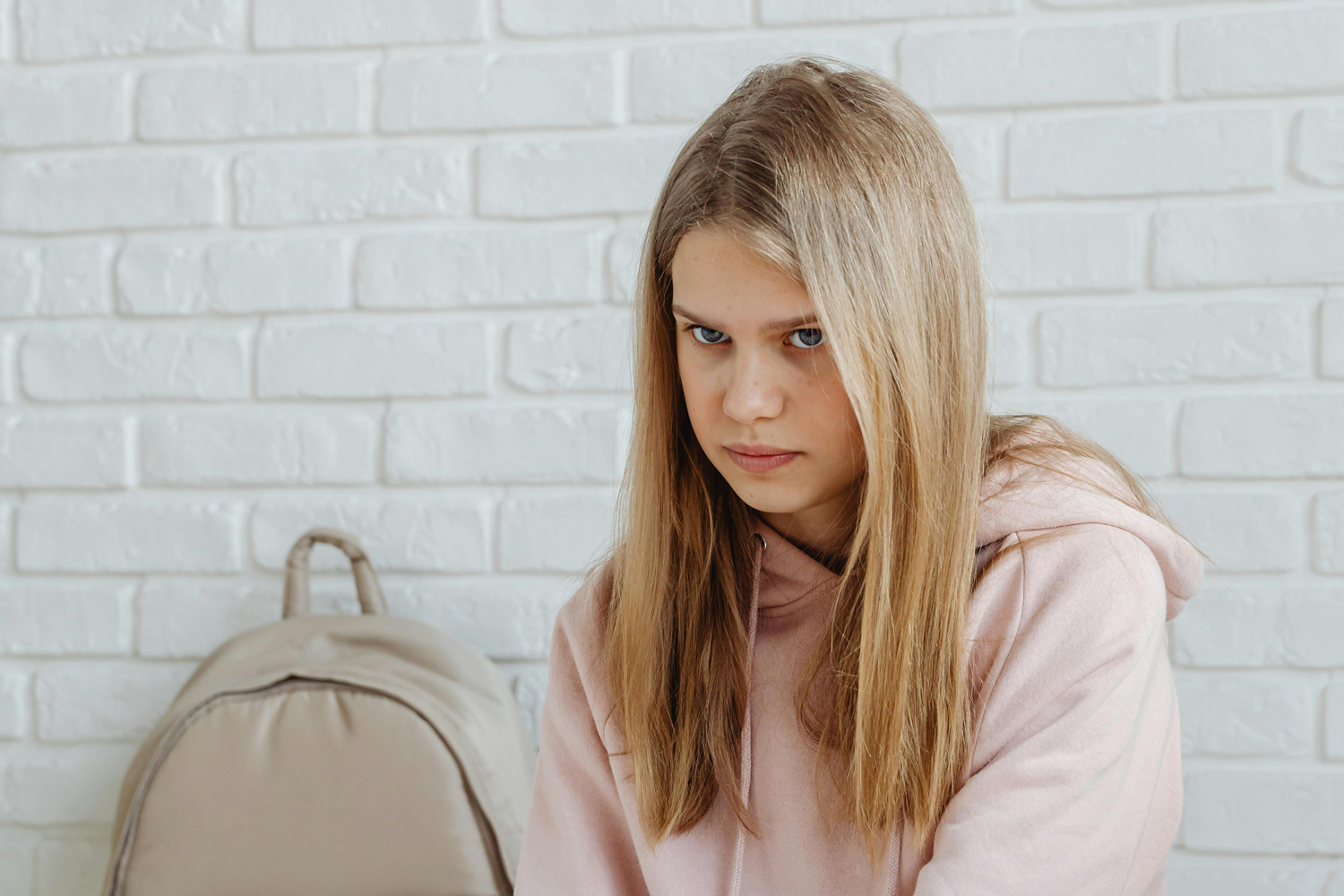
Early in my pediatric career, I remember feeling deeply unsettled when girls as young as eight told me they already hated their bodies.
We live in a culture that is profoundly toxic when it comes to bodies—especially for girls, but increasingly for boys as well. And over time, I’ve watched those messages become even more powerful and pervasive.
Social media has amplified this in ways we could never have imagined. Children and teens can now spend hours immersed in a stream of idealized, filtered, and often unattainable images—paired with voices that subtly, or not so subtly, shame, compare, and diminish.
It’s no longer just culture. It’s a constant environment.
And as parents, it can feel like there is very little we can do to counteract it.
But we are not powerless.
Our voices matter more than we think.
One of the most important things we can do is stay engaged and open. Talk with your children about what they are seeing—on social media, at school, and in their friend groups. Help them question what they are being shown.
We can actively point out the artificial nature of many “ideal” images, remind them that beauty exists in many shapes, sizes, and forms, and shift the focus away from appearance and toward qualities like kindness, creativity, resilience, humor, and curiosity.
It may feel like an uphill battle—and it is.
But our voices matter. Repeated, consistent messages from a trusted parent can become an internal voice that competes with the cultural one.
The work also starts with us.
Children are incredibly perceptive. They don’t just hear what we say to them. They hear what we say about ourselves.
If we criticize our own bodies, talk constantly about dieting, or equate worth with weight or appearance, they absorb that.
Part of protecting our children is doing our own work: avoiding disparaging our own bodies in front of them, limiting conversations about dieting or weight loss, framing food and exercise around health, strength, mood, and well-being—not appearance—and reinforcing that bodies can be healthy at many different sizes.
This is not about perfection.
It’s about awareness and intention.
One of the most protective things we can do is create a home culture of balance.
There are no “good” or “bad” foods. All foods can fit into a healthy lifestyle. Exercise should support strength, mood, and well-being—not be used as a tool for weight loss or control. Eating should feel flexible, not rigid.
And we should be mindful of subtle shifts toward “overly healthy” eating. When food becomes moralized or restrictive, it can sometimes be the beginning of a more concerning pattern.
I often tell parents: the culture is loud—but you are louder in your child’s life.
Even when it doesn’t seem like it, your words, your modeling, and your values are taking root.
You are helping your child build an internal compass—one that can guide them back to self-acceptance, even in a world that constantly pulls them away from it.
And one final thought: even when parents do all of this, eating disorders can still develop. They are complex illnesses, and they are never a parent’s fault.
Knowing what to look for—and what to do next—is critical.
If you’re noticing changes in your child’s eating, body image, mood, or behavior, I’ve written a companion post on early warning signs and how to respond.